
Few moments test a patient’s nerve quite like watching extra strands circle the shower drain right after starting a serious hair restoration plan. Whether you just applied your first bottle of minoxidil or are three weeks into recovering from an FUE or DHI hair transplant in Ahmedabad, sudden shedding feels backward like you are losing ground right when you invested time, hope, and money to gain it back.
The clinical reality is far less alarming than it looks in the mirror. Both early medication shedding and temporary hair loss after transplant (commonly called shock loss) are tied to how human hair follicles cycle through growth and rest. Understanding why these phases happen and how long they typically last helps you stay consistent instead of panicking or stopping treatment prematurely.
Why Hair Shedding Happens: The Follicle Cycle in Plain English
Every hair follicle on your scalp operates on its own internal clock rather than moving in lockstep. At any given time, follicles cycle through:
- Anagen (growth phase): The active phase where the follicle builds a new hair shaft. Scalp hair often stays in anagen for years, dictating how long and thick it can grow.
- Catagen (transition phase): A brief window of a couple of weeks where growth slows and the lower follicle shrinks.
- Telogen (resting phase): A resting period lasting around two to three months before the old shaft releases and makes way for fresh growth.
- Exogen (shedding/release phase): The natural release of the resting hair shaft as a new growth cycle prepares underneath
Normal daily shedding often cited around 50 to 100 hairs a day goes mostly unnoticed until something nudges more follicles into the same stage around the same time. Both minoxidil and surgical hair restoration can synchronize or speed up that transition, creating a noticeable wave of shedding over a few weeks.
Minoxidil Shedding: Why Starting Growth Can Trigger More Hair Fall
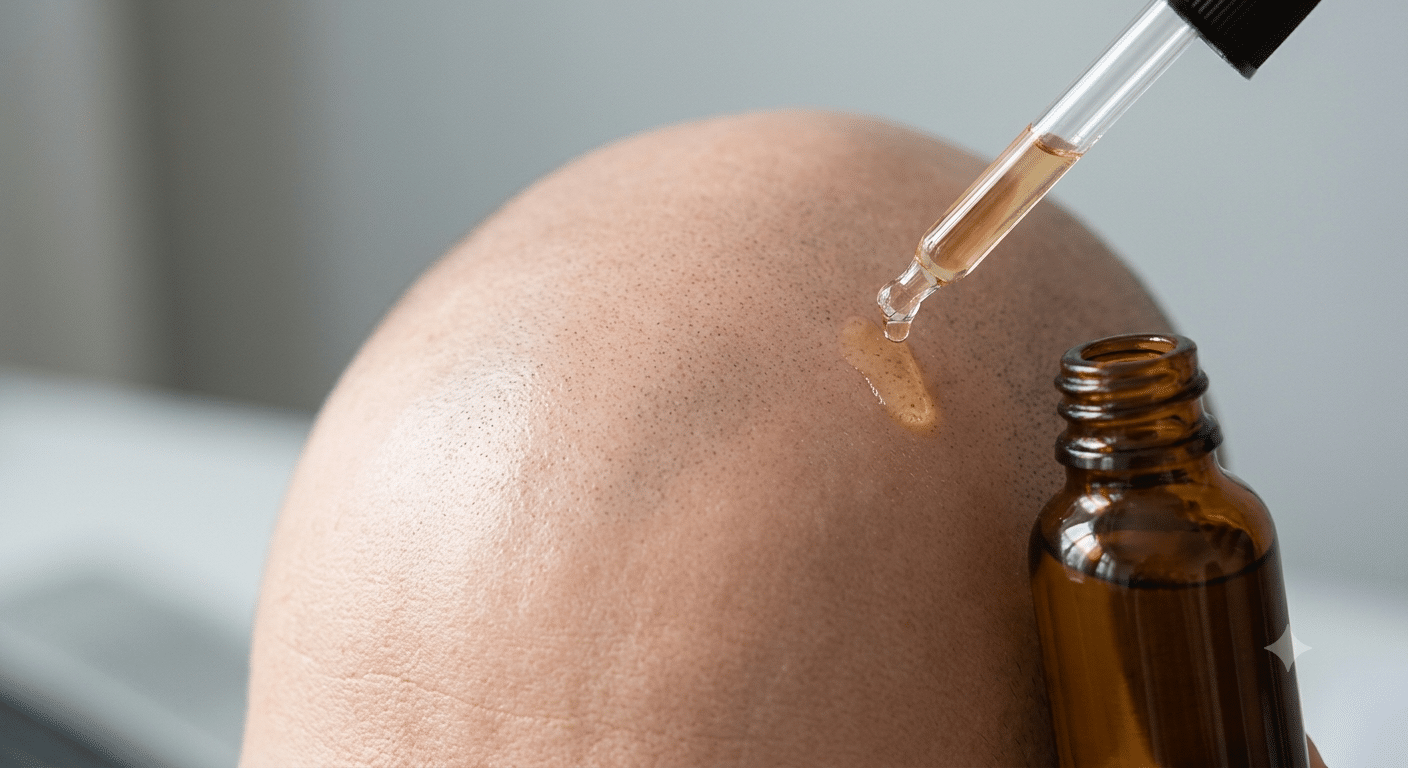
When patients start topical or oral minoxidil for pattern thinning, they often expect a steady climb from day one. Instead, minoxidil can prompt dormant or resting follicles to shift toward a fresh growth cycle. As a new hair shaft begins forming beneath the surface, it pushes out the older, resting hair that was already on its way out.
What Determines the Minoxidil Shedding Phase Duration?
There is no single calendar date that applies to every scalp, because individual hair cycles, baseline thinning, and formulations vary. In clinical practice and patient timelines, the minoxidil shedding phase duration often begins within the first few weeks of starting treatment and tends to settle over roughly 2 to 8 weeks, with some individuals noticing fluctuations stretching closer to 8 to 12 weeks before shedding eases back toward baseline.
- Weeks 1–3: Many people see little change at first, though early shedders may begin spotting extra strands on combs, pillows, or in the shower.
- Weeks 3–8: This is the window where shedding most commonly peaks as resting follicles release older hairs and transition into active growth.
- Weeks 8–12+: Shedding typically tapers off. Fine new hairs may start appearing around the two- to three-month mark, with thicker cosmetic coverage taking 3 to 6 months or longer to judge properly.
Stopping minoxidil abruptly because of early shedding is one of the most common mistakes patients make. Pausing treatment interrupts consistency without solving the underlying pattern hair loss. That said, if shedding is accompanied by burning, redness, severe itching, or rash or continues to escalate well past the early adjustment window your doctor should examine your scalp rather than assuming it is routine shedding.
Post-Transplant Shock Loss: What Happens After Surgery
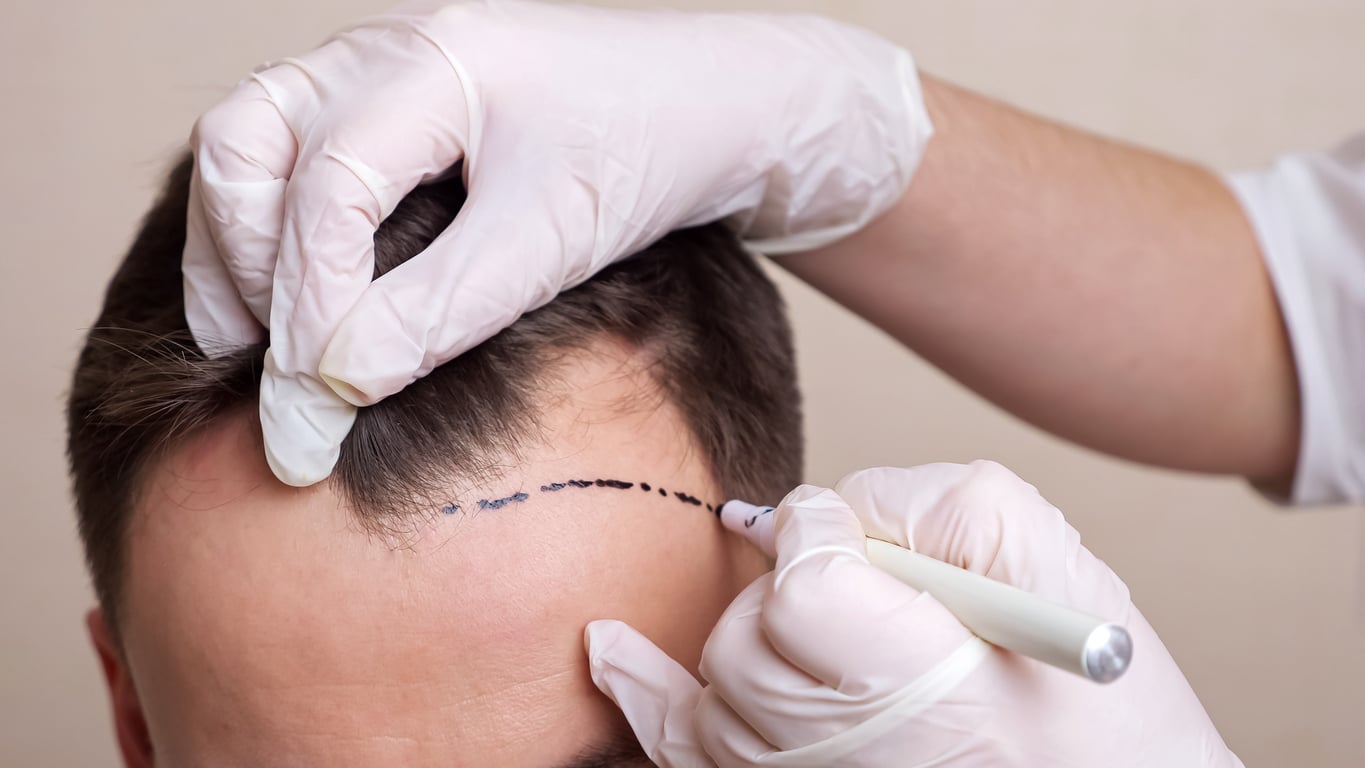
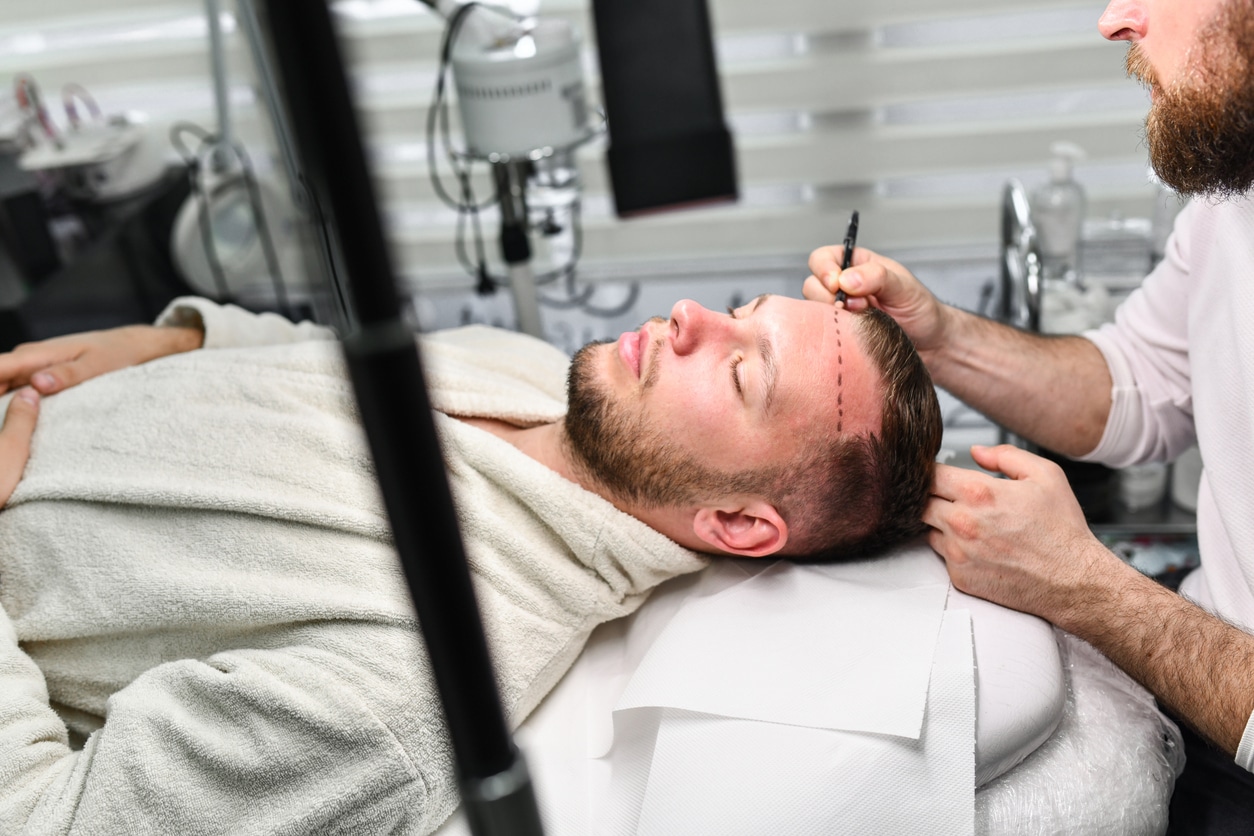
After a hair transplant, patients often feel reassured during the first week or two when tiny crusts clear and transplanted hairlines look neat. A few weeks later, seeing transplanted hairs or nearby native hairs shed out can trigger genuine anxiety.
In everyday conversation, people use “shock loss” to describe a few overlapping things after surgery:
- Shedding of transplanted hair shafts: Within the first few weeks after implantation, the visible hair shafts inside newly placed grafts frequently shed. Crucially, the follicular unit underneath remains alive beneath the skin, resting before pushing out new growth.
- Recipient-area shock loss: Existing native hairs sitting close to newly created recipient sites can experience temporary stress from local tissue healing and blood-flow shifts, entering a resting/shedding phase before recovering
- Donor-area shock loss: Hair follicles around the back or sides of the scalp where grafts were harvested can also show temporary thinning or patchy shedding as surrounding tissue heals.
How Long Does Temporary Hair Loss After Transplant Last?
Temporary hair loss after transplant typically starts appearing in the first few weeks post-procedure and can make hair look thinner for a couple of months while follicles rest. True new growth from transplanted follicles generally begins emerging around month 3 to month 4, building density gradually across 6 to 12 months (and occasionally up to 15 months in the crown).
Surgical technique, graft handling, gentle post-op washing, and avoiding trauma to the scalp all play a role in minimizing unnecessary stress on follicles. Following your clinic’s exact washing and medication schedule—and resisting the urge to pick scabs or scrub aggressively—protects healing grafts.
Minoxidil Shedding vs. Post-Transplant Shock Loss
While both events involve temporary shedding, their triggers and context differ:
| Feature | Minoxidil Shedding | Post-Transplant Shock Loss |
| Primary Trigger | Starting or changing minoxidil nudging resting follicles into a new cycle | Surgical trauma, healing, and follicle cycle reset after graft placement or extraction |
| Typical Onset | Often within the first few weeks of starting treatment | Usually within the first few weeks after surgery |
| Common Duration | Often settles over 2–8 weeks (sometimes up to ~12 weeks) | Early thinning lasts a few weeks to ~2–3 months; new growth builds over 3–12 months |
| What to Watch For | Scalp irritation, contact dermatitis, or persistent heavy shedding beyond expected windows | Signs of infection, worsening pain, pus, or lack of expected early growth around 6 months |
Note: Please rotate your mobile device to view the table properly.
Practical Tips for Patients in Ahmedabad
Living in Ahmedabad brings warm weather, sweat, dust, and frequent outdoor sun exposure—all of which make sensible scalp care important during recovery or medical therapy.
- Keep a simple photo log: Take clear, consistent photos in the same lighting every two to four weeks. Day-to-day mirror checks exaggerate normal shedding, whereas monthly photos show real trends.
- Wash gently and regularly: Sweat and oil buildup can leave the scalp feeling itchy or weighed down. Use lukewarm water and mild, clinic-approved cleansing without harsh fingernails or vigorous scrubbing.
- Protect healing and treated scalps from harsh sun: Direct midday sun and heat can irritate a healing or newly treated scalp; use a clean, loose cap or sun-safe habits once your surgeon clears headwear.
- Don’t layer unapproved products: Adding random oils, serums, or home remedies during a shedding phase makes it harder to tell what is helping or irritating your skin.
- Check in with your specialist: If you are unsure whether your shedding is normal cycle turnover or needs a dosage, formulation, or post-op adjustment, a quick follow-up with your dermatologist or hair transplant team gives peace of mind and timely care.
Frequently Asked Questions
1. How long does the minoxidil shedding phase usually last?
For most people who notice early shedding after starting minoxidil, it begins in the first few weeks and settles within 2 to 8 weeks, though individual timelines can stretch closer to 8 to 12 weeks depending on hair cycle timing. If shedding continues heavily past that window or comes with scalp irritation, consult your doctor.
2. Is shedding after starting minoxidil a sign that the medication is working?
Early shedding can happen when follicles transition from resting into active growth, which aligns with how minoxidil influences the hair cycle. However, shedding alone does not guarantee your final result—and not having a dramatic shed does not mean the medication isn’t working.
3. Why does temporary hair loss after a hair transplant look so discouraging?
Many transplanted hair shafts shed within the first few weeks after surgery while the roots stay tucked beneath the skin. Because visible hairs fall out before new growth emerges around month three or four, the scalp can temporarily look thinner than it did right after the procedure.
4. Can shock loss after a hair transplant be permanent?
Most post-transplant shedding of transplanted shafts and nearby native hairs is temporary. Rare exceptions can happen if fragile, miniaturized native hairs were already on the verge of balding or if a scalp complication occurred, which is why gentle technique and proper post-op care matter.
5. Should I stop using minoxidil if I experience heavy shedding in the first month?
Usually, no stopping abruptly is discouraged unless a doctor advises it due to a side effect or irritation, because consistent use is needed to evaluate response and maintain progress. Always check with your prescribing physician before changing your routine.
6. When should I visit a hair restoration clinic instead of waiting out the shed?
Book an evaluation sooner if you notice redness, burning, swelling, severe itching, pus, increasing pain, sudden bald patches, or if shedding persists longer than expected without signs of stabilization or early regrowth.
Dr. Kinnar Kapadia
Dr. Kinnar Kapadia is a leading Hair Transplant Surgeon in Ahmedabad, Gujarat, India known for delivering natural-looking, long-lasting results through advanced hair restoration techniques. As a Board-Certified Cosmetic Surgeon & Gold Medalist in Plastic Surgery, he combines surgical precision with an artistic approach to help patients regain their confidence. With extensive experience in hair restoration procedures, Dr. Kapadia specializes in personalized hair transplant procedures tailored to each patient's hair pattern, facial aesthetics and long-term goals.