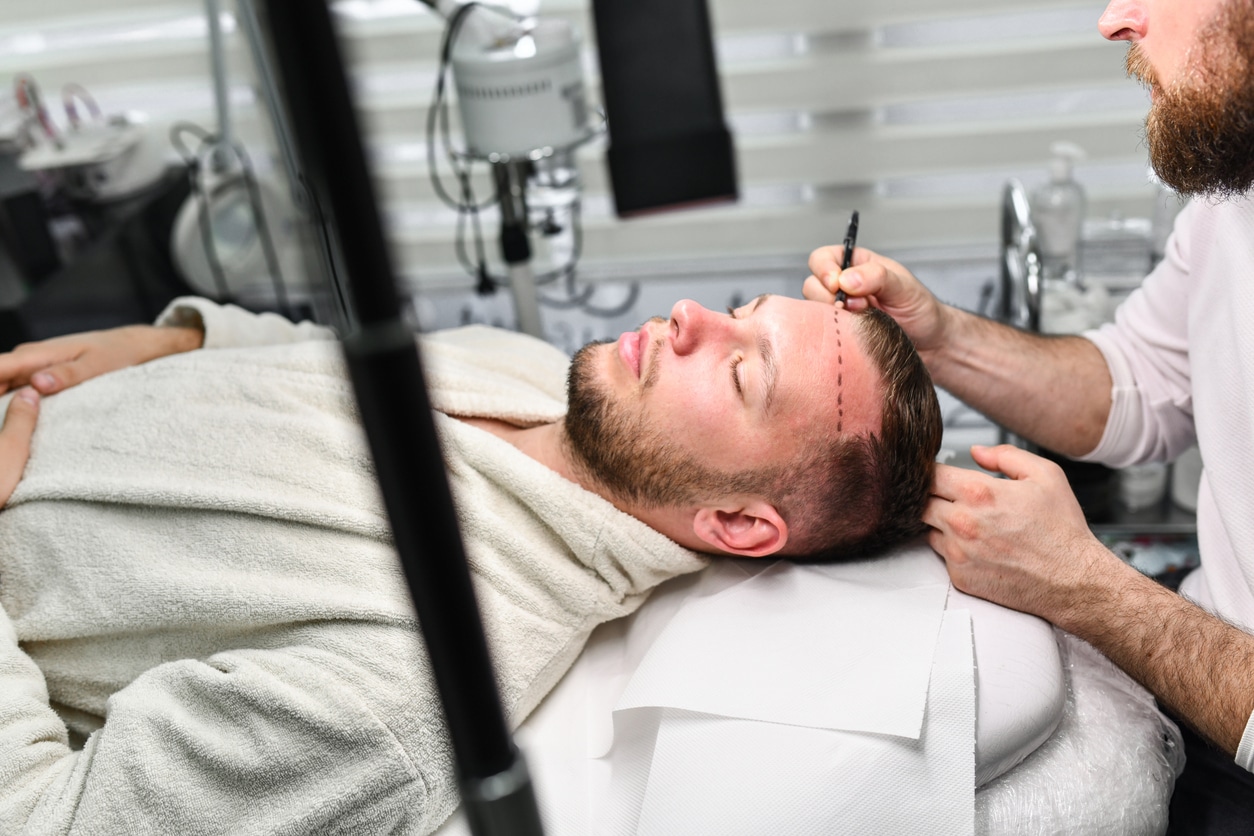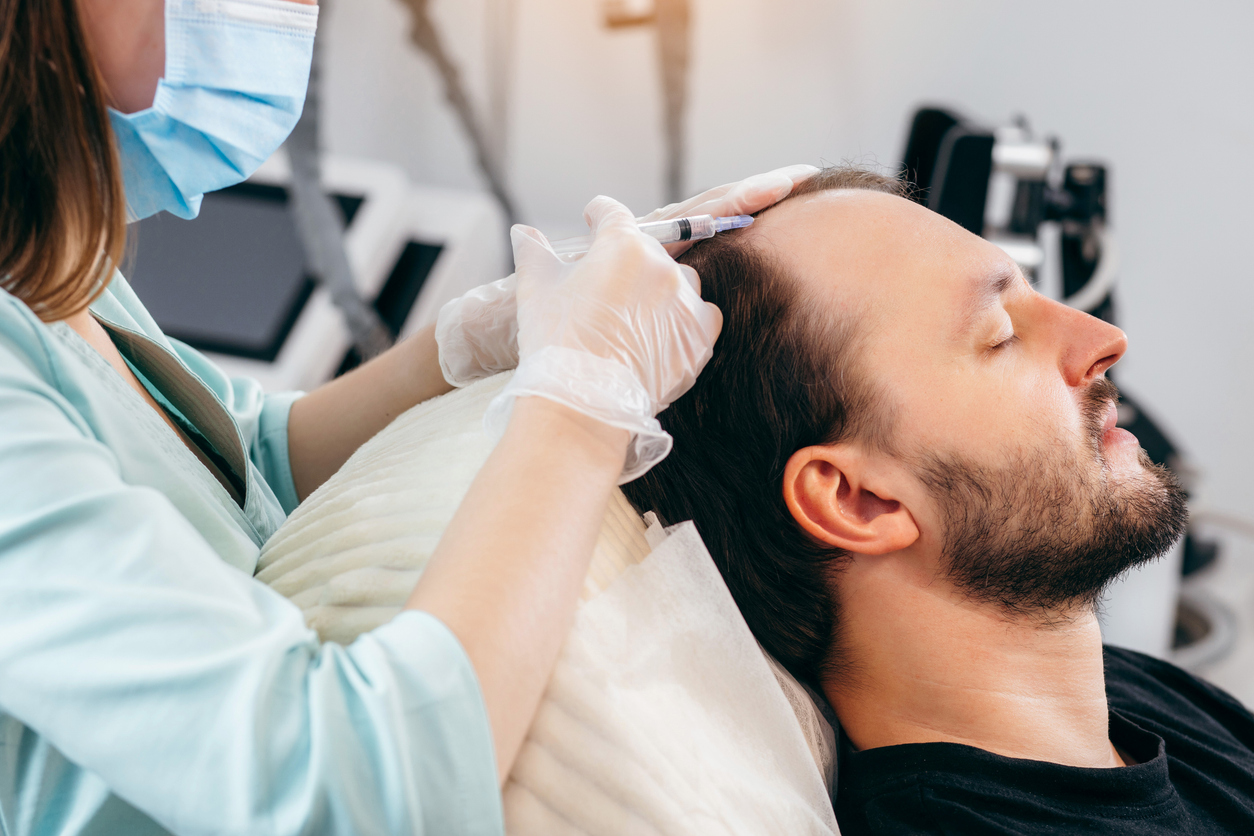
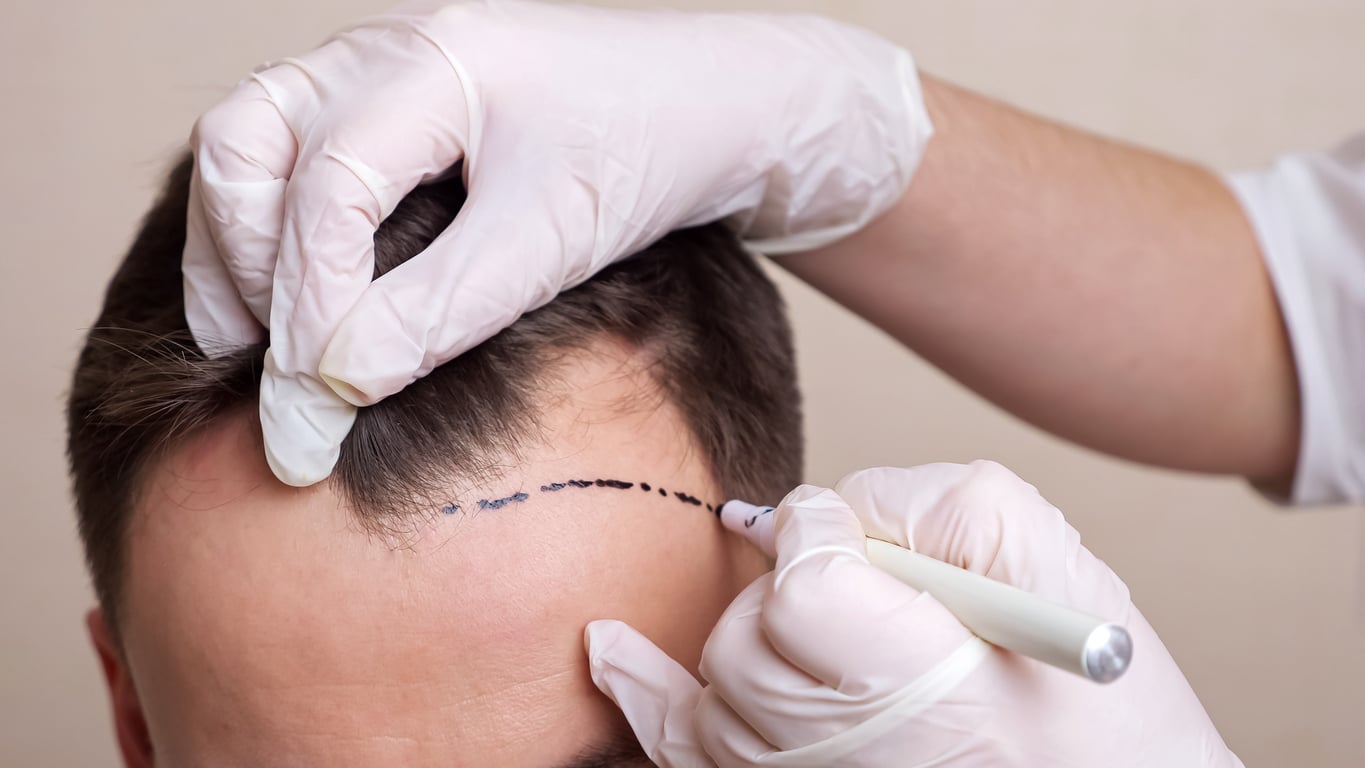

Undergoing a hair transplant is a life-changing investment. Whether you opted for an advanced FUE (Follicular Unit Extraction) or a high-density DHI (Direct Hair Implantation) procedure to restore your hairline, the surgery itself is only half the battle. The ultimate success of your transplant measured by hair density, graft survival rates, and overall thickness depends heavily on how well your scalp heals during the crucial post-operative window.
In recent years, regenerative medicine has revolutionized post-transplant care. Treatments like PRP therapy after hair transplant routines, Platelet-Rich Fibrin (PRF), and cutting-edge exosome treatment for hair loss have become the gold standard for accelerating recovery and supercharging growth.
If you are navigating your post-surgery care journey, understanding the differences between Exosomes, PRP, and PRF is essential to achieving optimal results.
Understanding the Regenerative Trinity: PRP, PRF, and Exosomes
Before comparing how these therapies perform after a hair transplant, let’s break down what each treatment actually is and how it interacts with your hair follicles.
1. Platelet-Rich Plasma (PRP): The Tried-and-True Standard
PRP has been used in aesthetics and orthopedics for decades. A sample of your blood is drawn, spun in a centrifuge to separate the components, and the concentrated layer of platelets is harvested.
- The Mechanism: PRP is rich in growth factors like Platelet-Derived Growth Factor (PDGF) and Vascular Endothelial Growth Factor (VEGF). When injected into the scalp, these factors stimulate blood supply, reduce inflammation, and prolong the anagen (growth) phase of hair follicles.
- The Catch: PRP uses anticoagulants to keep the blood from clotting during processing, which causes a rapid “burst release” of growth factors within the first few hours.
2. Platelet-Rich Fibrin (PRF): The Next-Generation Evolution
PRF is often considered the second-generation evolution of PRP. The preparation process is similar, but it is spun at a lower speed and contains zero anticoagulants.
- The Mechanism: Because there are no anticoagulants, the blood naturally forms a spongy fibrin matrix. This matrix traps platelets, white blood cells, and stem cells, releasing growth factors gradually over a span of 7 to 10 days rather than a few hours.
- The Advantage: A more sustained, prolonged delivery of healing signals to newly planted grafts.
3. Exosome Therapy: The Pinnacle of Stem Cell Science
Exosomes represent the cutting edge of modern regenerative medicine. They are not cells or blood products; rather, they are microscopic extracellular vesicles (30–150 nanometres in size) derived from mesenchymal stem cells.
- The Mechanism: Exosomes act as cellular “messengers.” They carry a dense cargo of growth factors, lipids, mRNA, and proteins, delivering millions of pre-packaged instructions directly to dormant or stressed hair follicles.
- The Advantage: Unlike PRP or PRF, which are limited by the biological age and health of your own blood, exosomes offer a standardized, ultra-high concentration of pure regenerative signals.
How Do These Treatments Help After a Hair Transplant?
Post-transplant care aims to protect freshly implanted grafts, minimize shock loss, and promote rapid vascularization (the creation of new blood vessels). Here is how regenerative therapies assist during the recovery timeline:
- Boosting Graft Survival Rates: Newly harvested grafts are detached from their blood supply temporarily. Introducing growth factors immediately or a few weeks post-surgery accelerates angiogenesis, securing grafts faster.
- Mitigating “Shock Loss”: Post-operative shedding (telogen effluvium) can be distressing. Regenerative therapies help push resting follicles back into the active growth phase, shortening the dormant window.
- Enhancing Hair Caliber and Density: Beyond the newly transplanted hair, these treatments strengthen native miniaturized hair around the recipient site, creating a denser, more uniform appearance.
Head-to-Head Comparison: Exosomes vs. PRP vs. PRF
Note: Please rotate your mobile device to view the table properly.
Which One Should You Choose?
The right choice depends on your specific hair loss grade, healing capacity, and expectations:
- Choose PRP if you are looking for a well-established, economical add-on to support baseline healing and routine maintenance after your transplant.
- Choose PRF if you prefer a completely autologous (body-derived) treatment without chemical additives, benefiting from a longer, sustained release of growth factors.
- Choose Exosomes if you want maximum regenerative potency, suffer from extensive thinning, or want to give your newly transplanted grafts the highest possible density boost with fewer total clinic visits. Many leading hair restoration experts also utilize combination protocols starting with PRF or PRP for immediate autologous support and layering exosomes for advanced amplification.
Frequently Asked Questions (FAQs)
1. When can I start PRP, PRF, or Exosome therapy after a hair transplant?
Most trichologists and hair transplant surgeons recommend waiting until the newly implanted grafts are securely anchored typically 3 to 4 weeks post-surgery. This ensures the micro-wounds from the transplant have healed and prevents any disruption to the fresh grafts.
2. Is exosome therapy better than PRP for hair loss?
Exosome therapy delivers a significantly higher concentration of targeted growth factors and messenger RNA than standard PRP. While PRP relies on the quality of your own blood (which can vary based on age, diet, and stress), exosomes provide standardized, potent regenerative signals. Many patients see faster density improvements with exosomes, though they come at a higher price point.
3. Are these post-transplant treatments painful?
The procedures are minimally invasive. Local numbing creams or small nerve blocks are typically applied to the scalp beforehand. Most patients report feeling only mild pressure or minor tingling during micro-injections or topical application via micro-needling.
4. How many sessions will I need to maintain my transplant results?
For PRP and PRF, a standard initial course usually involves 3 sessions spaced 4 to 6 weeks apart, followed by maintenance sessions once every 6 to 12 months. Because exosomes are far more concentrated, protocols often require just 1 to 2 sessions per year to sustain peak hair density and follicle health.
5. Can these therapies make hair grow where a hair transplant wasn’t done?
Yes! While their primary role post-surgery is to secure grafts and accelerate healing, both exosomes and PRP/PRF stimulate miniaturized, dormant native hair follicles on the rest of your scalp, halting active thinning and improving overall scalp coverage.
Dr. Kinnar Kapadia
Dr. Kinnar Kapadia is a leading Hair Transplant Surgeon in Ahmedabad, Gujarat, India known for delivering natural-looking, long-lasting results through advanced hair restoration techniques. As a Board-Certified Cosmetic Surgeon & Gold Medalist in Plastic Surgery, he combines surgical precision with an artistic approach to help patients regain their confidence. With extensive experience in hair restoration procedures, Dr. Kapadia specializes in personalized hair transplant procedures tailored to each patient's hair pattern, facial aesthetics and long-term goals.