
Finding a receding hairline in the mirror or noticing more hair strands on your pillow than usual can trigger an immediate sense of panic. If you are experiencing male pattern baldness (androgenetic alopecia), you are far from alone. Millions of men face this progressive condition, and the internet is flooded with conflicting advice, magical oils, and overnight “cures.”
When looking for the best treatment for male pattern baldness, you typically encounter three primary contenders: Minoxidil, Finasteride, and Hair Transplant surgery. But navigating the choices evaluating minoxidil vs hair transplant alongside medical therapies can feel overwhelming.
As a leading hair restoration clinic in Ahmedabad, we break down how these options work, their pros and cons, and how to choose the right starting point for your unique hair loss journey.
Understanding Male Pattern Baldness: The Root Cause
Before comparing treatments, it is crucial to understand why hair falls out. Male pattern baldness is driven primarily by genetics and a hormone called Dihydrotestosterone (DHT), a potent byproduct of testosterone.
In genetically susceptible men, DHT binds to receptors in hair follicles on the scalp, causing a process called miniaturization. Over time, the hair growth cycle shortens, strands become thinner and finer, and eventually, the follicle goes dormant and stops producing hair altogether.
Because hair loss is progressive, treating it effectively requires either blocking the root hormonal cause, stimulating dormant follicles, or permanently relocating healthy, DHT-resistant follicles from the back of the head to the thinning areas.
1. Minoxidil: The Topical Stimulator
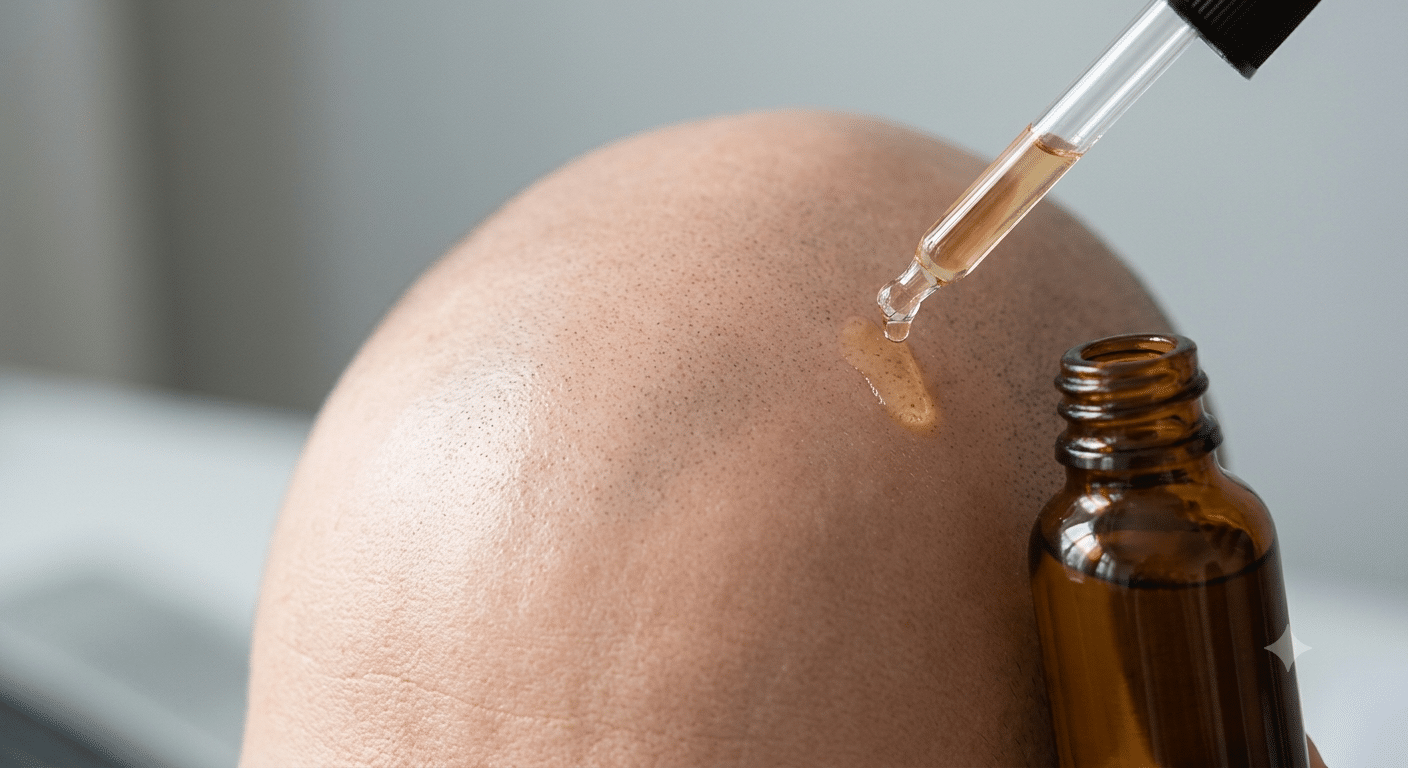
Minoxidil (commonly known by brands like Rogaine) is a topical vasodilator available as an over-the-counter liquid or foam (typically in a 5% strength for men).
How It Works
Minoxidil does not affect your hormones. Instead, it widens blood vessels around the hair follicles, improving the delivery of oxygen, blood, and vital nutrients. This prolongs the growth (anagen) phase of the hair cycle and revitalizes miniaturized hairs, making them thicker and longer.
- Best For: Men in the early stages of hair thinning, or as an adjunct therapy to boost overall density.
- Pros: Non-invasive, widely available without a prescription, easy to apply at home, and affordable.
- Cons: Requires strict, lifelong daily consistency. If you stop using minoxidil, any hair gained or retained through its use will shed within a few months, returning you to your natural baseline. Some users experience initial scalp dryness or irritation.
2. Finasteride: The Internal DHT Blocker
Finasteride (commonly sold as Propecia) is an oral prescription medication classified as a 5-alpha-reductase inhibitor.
How It Works
Unlike minoxidil, finasteride tackles the biochemical root cause of male pattern baldness. By blocking the enzyme that converts testosterone into DHT, it lowers scalp and serum DHT levels by roughly 70%. This halts the miniaturization process and prevents further hair loss for the vast majority of users.
- Best For: Men looking to halt active hair thinning and stabilize their hair loss pattern.
- Pros: Highly effective at stopping hair loss progression; requires only a simple daily pill rather than topical applications. Clinical data shows high rates of long-term stabilization.
- Cons: Requires a doctor’s prescription. Because it alters hormone pathways, a small percentage of users (approx. 2–3%) may experience potential side effects like reduced libido, which typically resolve upon discontinuing the medication.
3. Hair Transplant: The Permanent Structural Solution
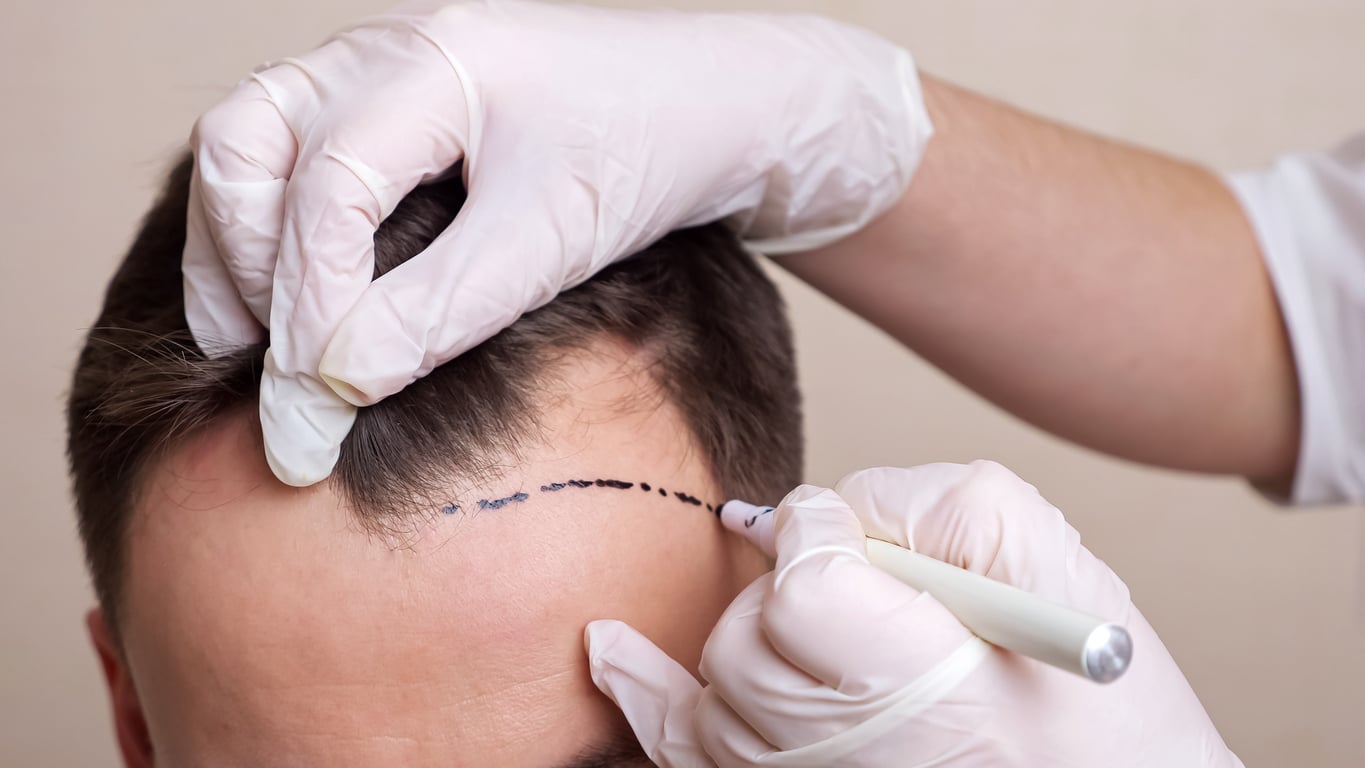
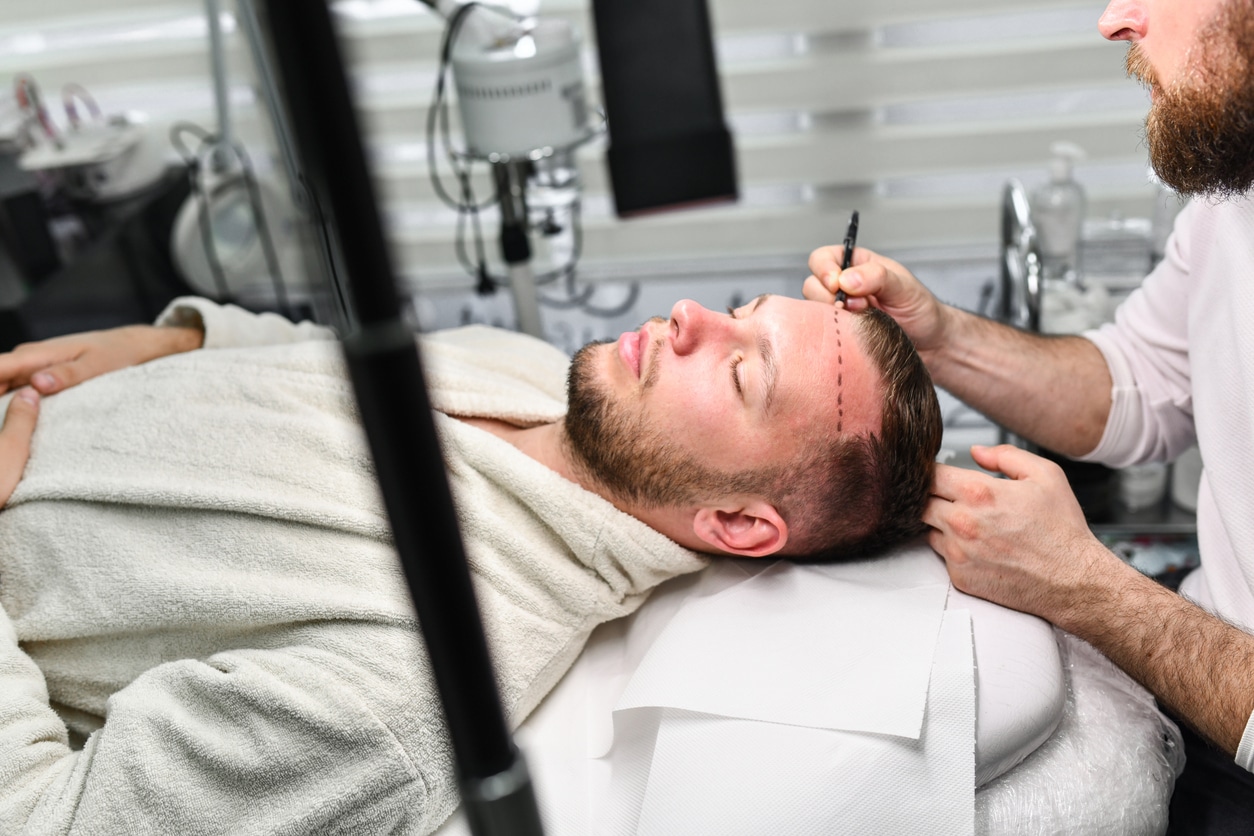
A hair transplant is a surgical procedure, not a drug. Modern techniques specifically FUE (Follicular Unit Extraction) and FUT (Follicular Unit Transplantation) involve harvesting healthy, DHT-resistant hair follicles from the “donor area” (the back and sides of the scalp) and meticulously implanting them into thinning or bald zones (the recipient area).
How It Works
Because the hair follicles at the back of the head are genetically immune to DHT, they retain this characteristic even when moved to the front or crown. Once these grafts take root, they grow naturally for a lifetime.
- Best For: Men with receding hairlines, bald patches, or advanced hair loss where medical treatments alone cannot restore lost density.
- Pros: Permanent, natural-looking results. It physically restores hair to areas where follicles have completely died.
- Cons: Higher upfront financial investment, minor surgical downtime (a few days of recovery), and it does not stop future loss of native, non-transplanted hair (which is why medical therapy is often paired with surgery).
Minoxidil vs. Hair Transplant: Head-to-Head Comparison
When patients weigh minoxidil vs hair transplant, they are often comparing a maintenance tool against a structural correction.
| Feature | Minoxidil | Hair Transplant |
| Nature of Treatment | Topical daily medication | Minor outpatient surgical procedure |
| Primary Goal | Stimulates blood flow & prolongs growth | Permanently relocates living hair follicles |
| Reversibility of Loss | Only works while continuously used | Permanent structural correction |
| Timeline to Results | 4 to 6 months of consistent use | 9 to 12 months for full growth maturation |
| Ideal Candidate | Early diffuse thinning or minor recession | Receding hairlines, bald crowns, stable loss |
What Should You Try First? The Strategic Approach
If you are wondering what step to take first, the golden rule of modern trichology is Medical Stabilization First, Surgery Second.
Step 1: Early Intervention (The Medical Foundation)
If you are just noticing the early signs of thinning (such as temple recession or a widening part), do not rush straight into surgery. Starting with medical therapy either topical minoxidil, oral finasteride, or a combination of both is generally recommended by dermatologists and hair restoration surgeons worldwide. This combination halts the receding process and can thicken existing miniaturized hair.
Step 2: Evaluating Surgical Options
If your hair loss has progressed to a point where the hairline is permanently receded or the crown is entirely smooth, topical and oral medications cannot resurrect dead follicles. This is the exact threshold where a hair transplant becomes the ideal solution.
However, even after a hair transplant, ethical clinics will recommend continuing medical therapy (like minoxidil or finasteride) to protect your remaining native hair from ongoing DHT damage.
Consultation is Key in Ahmedabad
Every individual’s pattern of hair loss, scalp laxity, donor hair density, and lifestyle is completely different. What works wonders for your friend or colleague might not be the ideal protocol for you.
If you are exploring hair restoration options in Ahmedabad, seeking a comprehensive evaluation from an experienced hair transplant specialist is essential. A professional diagnostic session will map your scalp’s miniaturization levels, test your donor capacity, and help you design a customized roadmap whether that starts with medical management or a precision FUE hair transplant.
Frequently Asked Questions (FAQs)
1. Can minoxidil regrow hair on a completely bald spot?
Generally, no. Minoxidil requires living hair follicles to stimulate growth. If a scalp area has been completely bald and shiny for many years, the follicles have likely miniaturized beyond recovery, meaning a hair transplant is the only way to restore hair there.
2. Is a hair transplant better than using finasteride?
They serve entirely different functions. Finasteride stops the progression of hair loss biologically, whereas a hair transplant redistributes hair mechanically. They are not mutually exclusive; in fact, combining them yields the most sustainable, long-term outcomes.
3. Will my transplanted hair fall out over time?
No. Transplanted hair follicles are harvested from the donor region at the back of the head, which is genetically programmed to resist DHT. Once successfully planted, these hairs will continue to grow naturally for the rest of your life.
4. Can I stop using minoxidil after getting a hair transplant?
While you don’t strictly need minoxidil for the newly transplanted grafts to survive, many surgeons recommend it during the recovery phase to boost blood flow and support surrounding native hair health. Stopping minoxidil abruptly can cause shedding of non-transplanted hair that relied on it.
5. What is the most cost-effective long-term solution for hair loss?
For mild thinning, long-term use of topical minoxidil or generic finasteride requires a lower immediate financial commitment. However, for advanced baldness, spending years on temporary products that yield minimal cosmetic change can end up costing more than a one-time, permanent hair transplant procedure.
Dr. Kinnar Kapadia
Dr. Kinnar Kapadia is a leading Hair Transplant Surgeon in Ahmedabad, Gujarat, India known for delivering natural-looking, long-lasting results through advanced hair restoration techniques. As a Board-Certified Cosmetic Surgeon & Gold Medalist in Plastic Surgery, he combines surgical precision with an artistic approach to help patients regain their confidence. With extensive experience in hair restoration procedures, Dr. Kapadia specializes in personalized hair transplant procedures tailored to each patient's hair pattern, facial aesthetics and long-term goals.